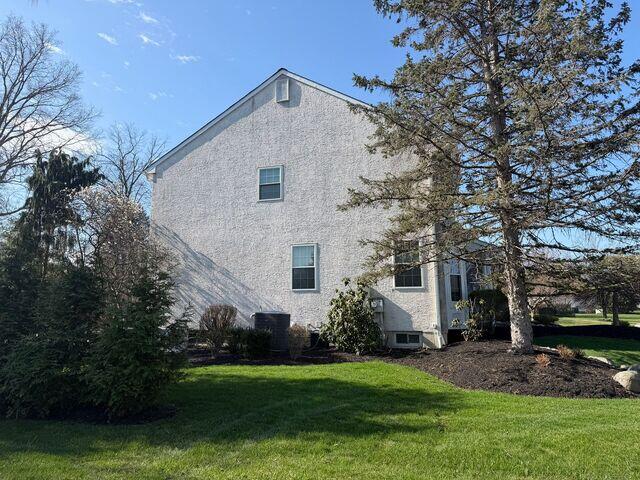
Behind the Siding: Addressing Hidden Damage & Reimagining the Exterior
Challenge
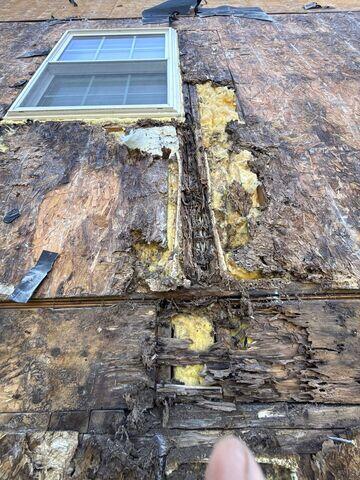
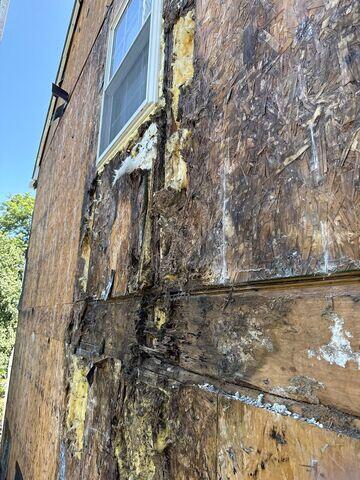
What began as a planned siding replacement revealed a more significant issue once the original siding was removed. During the tear-off process, the team discovered areas of rotting wood beneath the existing siding.
While exterior deterioration is not always visible from the outside, moisture can make its way behind aging siding over time, leading to wood rot and weakening the materials underneath. Leaving damaged wood in place could create ongoing problems and prevent the new siding system from being properly installed.
The homeowners were now faced with more than simply updating the appearance of their home. The underlying damage needed to be addressed before the new siding could be installed, making it important to correct the problem at its source rather than covering it up with a new exterior.
At the same time, the homeowners saw an opportunity to do more than replace the damaged siding. They wanted to improve the home's overall curb appeal and create a more distinctive, finished look at the front entrance and garage.
Solution
The first step was addressing the areas of deteriorated wood uncovered during the siding removal. By replacing the damaged material and preparing the exterior for the new siding, the team could create a solid foundation for the new exterior system.
For the new siding, the homeowners selected James Hardie® fiber cement siding in Cedarmill. The material was chosen for its combination of durability, long-term performance, and classic wood-grain appearance. The Cedarmill finish adds texture and character while giving the home a refreshed, updated appearance.
With the underlying wood addressed, the new siding could be installed as part of a complete exterior transformation rather than simply covering the existing problems.